
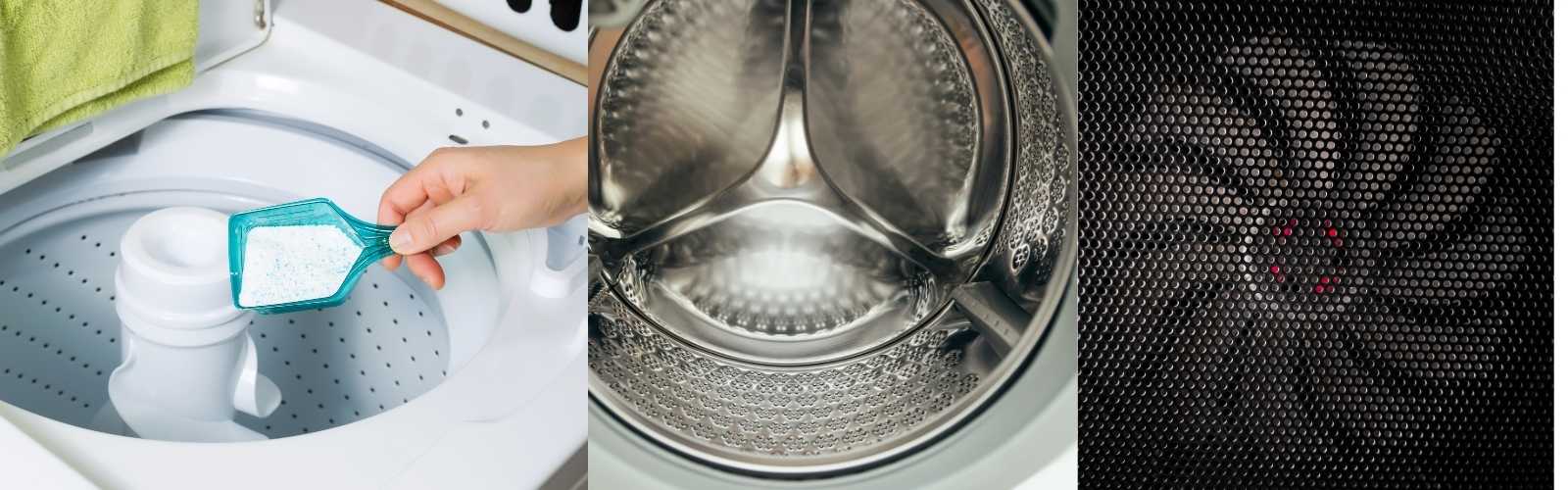
In appliance design, small decisions can significantly impact performance. One of the most overlooked — yet critical — factors is the selection of the perforated pattern. From airflow and noise control to safety and aesthetics, the right perforation pattern can directly influence how an appliance functions, feels, and lasts in the field.
For appliance manufacturers, choosing the correct pattern isn't just a design decision — it's an engineering one.
Why Perforated Patterns Matter in Appliances
Perforated metal is used throughout modern appliances to manage airflow, protect internal components, and support efficient operation. But not all perf performs the same way. Pattern geometry, hole size, and open area percentage all affect how air, heat, water, and sound move through an appliance. A poorly chosen perforated pattern can restrict airflow, cause flooding, increase noise, or create unnecessary material weight. On the other hand, when engineered correctly, perf improves system efficiency while maintaining durability and functionality.
Key Performance Factors to Consider
When selecting a perforated pattern for appliance components, engineers typically evaluate several performance criteria:
Airflow and Cooling
Appliances such as ovens, refrigerators, dryers, and commercial kitchen equipment rely on controlled airflow to regulate temperature. Perforation patterns with higher open-area percentages allow greater air movement, helping dissipate heat and maintain consistent internal temperatures. This affects cooling efficiency, fan load, energy consumption, and component longevity.
Noise and Vibration Control
Air movement through perforated panels can generate noise if not properly engineered—hole shape, spacing, and pattern layout influence turbulence, which in turn affects sound levels. In appliances where quiet operation is critical — such as residential dishwashers or washers — selecting the right perforation pattern can help minimize unwanted noise and vibration.
Filtration and Protection
Perforated panels often serve as guards or filters, preventing debris, lint, or foreign objects from entering sensitive areas. Smaller hole sizes and tighter patterns provide increased protection while still allowing necessary airflow.
This balance is especially important in:
- Dryer lint management
- Appliance intake and exhaust screens
- Safety covers for moving components
Common Appliance Perforation Pattern Types
While every application is unique, specific hole patterns are commonly used in appliance manufacturing:
- Round staggered patterns – Popular for airflow-focused applications due to high open-area efficiency and uniform strength distribution
- Round straight patterns – Often used when alignment and visual uniformity are essential
- Slot patterns – Ideal for directional airflow or drainage needs
- Custom patterns – Designed to meet specific performance requirements
The appliance OEM's engineering team should ensure the hole size, open area, and material thickness result in optimal performance.
Balancing Performance and Aesthetics
In today's appliance market, performance and appearance go hand in hand. Perforated panels are increasingly visible — from vented side panels to speaker-style grilles and exterior accents. Some appliance brands are also incorporating GraphicPerf™ into their machines to maintain on-brand consistency. By working with a perforated metal manufacturer early in the design process, appliance manufacturers can ensure that performance requirements don't compromise design intent.
Why Early Collaboration Matters
Choosing a perforation pattern shouldn't happen in isolation. Early collaboration between design, engineering, and manufacturing teams helps avoid costly changes later in production.
At Accurate Perforating, we work closely with appliance manufacturers to:
- Evaluate airflow and open-area requirements
- Recommend proven pattern options
- Optimize designs for high-volume production
- Ensure repeatability and consistent quality
With access to an extensive tooling library and more than 80 years of experience, Accurate helps appliance OEMs confidently move from prototype to production.
Performance Starts with the Right Pattern
From cooling efficiency and noise control to safety and appearance, the selection of perforated metal patterns plays a critical role in appliance performance. Choosing your perf pattern early helps manufacturers deliver products that operate efficiently, meet customer expectations, and withstand long-term use.